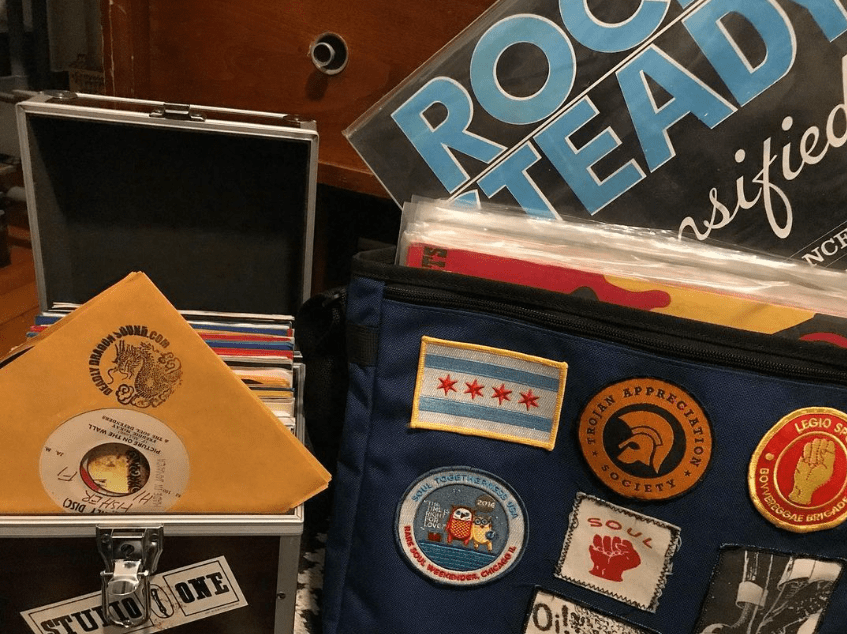
Earlier this summer, I was pretty excited to see a somewhat mysterious Instagram account pop up, advertising a new night of ’60s and ’70s reggae in Chicago and Milwaukee. While there are some DJs that very occasionally will have an event focusing on this sound, this new thing called Rust Belt Boss Reggae differed in that it was aiming to be a regular thing. Since May 2023, DJ Dreadnaught has put on RBBR about a half dozen times at venues such as The Native and Jarvis Square Tavern in Chicago and Last Rites in Milwaukee. Earlier this week I was able to interview him about RBBR.
Thanks for agreeing to this interview! To start out, who are you and what is Rust Belt Boss Reggae?
Hello, thank you for reaching out. I appreciate the interest in RBBR. My name is Brendan and I DJ under the name Dreadnaught (FCS Sound System). Rust Belt Boss Reggae was a name that a friend (on Instagram he has @milwaukeesubcult) and I came up with while trying to plan some reggae nights in Chicago and Milwaukee. It fit the vibe we are trying to create, so I started putting it on the flyers and it stuck.
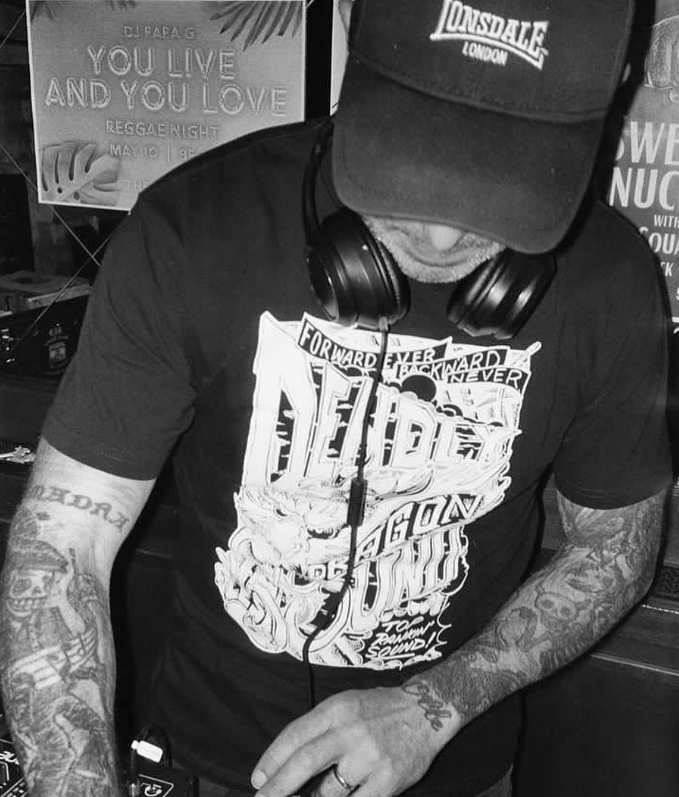
Pic by gerrifernandez
How long have you been doing RBBR and why did you decide to create it?
I started a Boss Reggae night here in Logan Square at The Native on Milwaukee Ave about 9 months ago. I was working for a brewery and after talking with them about trying to get our beer in, I mentioned that I DJ Boss stuff and asked if they had an interest in it. Well, fortunately they did and we have been doing it every other month since.
What kind of music does RBBR focus on?
60’s and early 70’s Ska, Rocksteady, Jamaican Soul and Early Reggae. I really like the music from that time. Its a tight niche, but I play what I like and people have been really responsive to it.
You have to be one of the only ones playing this music in Chicago. Are you aware of any others presently or in the recent past?
There are other people playing it, but think I am one of the only ones who focus on this time frame. Darren Reggae and Chuck Wren are known for spinning great stuff. Basement on Ashland was great, I used to DJ with those guys, but people moved on or life got busy, and COVID didn’t help much either.
The great thing about Boss reggae nights is that it can pull people out of the woodwork and build a nice community, but also grab the attention of people who just enjoy the rhythm, heavy bass and soulful vocals. Its sets a great vibe in a bar and people seem to really enjoy it. Weather they want to dance or just like the ambiance.
How did you originally get into early reggae? Did you have mentors who schooled you or did you have to do a lot of individual research and discovering on your own?
A little of both. I was lucky enough to have an early exposure to reggae when I was young. Growing up in New York City, I had a lot of access to different music, sometimes just walking around and hearing it blasting out of windows or stores, or going to a friends house and their parents were playing it. You hear something that hits you and you are like “Who’s that?!” Haha.
Reggae has such a broad spectrum of styles and once I honed in on Rocksteady and Early Reggae, I was hooked. Like a lot of us, I heard 2Tone stuff, I enjoyed it, but it was never really my thing. It was when a friend played some Prince Buster and some early Trojan stuff that I really felt it and knew this is what I wanted more of.
When did you start collecting early reggae 45s and LPs?
“Collecting” is a dangerous word, haha. I only buy what I love, so I’m spinning my stuff. I don’t buy records to just have records. I guess you could say it was about 1987 or 1988 that I started going down that rabbit hole, though. Around 7th grade, UK Punk and Reggae really hit for me, and things haven’t changed much since. Ha!
I’ve found that it can be quite difficult to track down early reggae records in Chicago. Most record stores have only a cursory selection of reggae and it’s usually Marley, UB40, Culture and maybe some Soul Jazz Records compilations. Have you had any luck digging here in Chicago or do you have to rely on the internet and visiting record stores elsewhere for your collection?
I’ve had an occasional find, but crate digging isn’t what it used to be, for me anyway. Unfortunately, Discogs and a few websites are my go-to’s. With that being said, those have become the record stores and I buy from places and people that I like. There are some great record stores in Chicago, but like you said, tracking down such specific stuff is hard.
Chicago has a modest scene of Jamaican or Jamaican inspired music with The Wild Hare and the regular, more roots oriented groups that play there. Of course, there’s Jump Up Records. There’s also Dub Club Chicago and I’ve even been to some nights that feature 80s dancehall. Then there’s Reggae Gold at Subterranean and numerous other spots where you can hear contemporary dancehall. Are you connected to or follow any of these scenes?
I know of them or know them, but I’m not really connected to those scenes. I love 90’s dancehall, and some of the other stuff, but not a big follower of them. I’m not into new ska either, it’s missing something for me. There are time frames of music that can be copied and played over and over, but can’t be replicated. There’s a sound in the production, on the vinyl and in the style from the time. I don’t mean to put down newer stuff, but it just doesn’t hit for me.
Including myself here, but it seems many who are into boss reggae, rocksteady and ska also are very much into soul music of the 1960s. They are related in many ways. Early skinheads adopted soul before the emergence of reggae, many reggae groups covered American soul songs and labels such as Pama even signed a soul group or two. Do you also have a passion for soul music?
I love Soul, I grew up on it. My dad likes Stax and Motown, so that was always in the house. Personally, I’m a Stax guy. Northern Soul is fun and each city has their own style, but Stax… Memphis! That shit speaks to me!
With soul music, it still surprises me that you can pack a venue of young people playing music from the 1960s. There are reasons for that, such as the historical Northern Soul scene or that in the US, this is familiar music of our parents, grandparents or from hip-hop sampling. Do you think that early reggae also has the potential to grab the interest of those born long after its heyday, even if it’s only an occasional night at a bar or club?
Thats a great question! Debbie from Heart of Chicago Soul Club (amazing soul nights!!) and I were talking about this recently. Soul is up-beat, relatable, catchy and so deep in American culture, when you hear it, you can’t not like it, it’s in our DNA. Early Reggae does have a pull, and people can relate through family, sampling and covers like Blondie doing “Tide is High” but it doesn’t hit like Soul does for a lot of people, its a different feel. I do play a good amount of Jamaican Soul, which is their take on Northern Soul to help change it up and keep it up beat. I think that a Boss Reggae night has the potential to grow into it’s own thing and have a steady following, I hope that it catches on.
What is the crowd like for RBBR and has it changed since you started? Is there a difference in the crowds in Chicago compared to Milwaukee?
Being that RBBR is fairly new and only once every two months, its a little hard to say. Both cities have been supportive, and the crowds have been slowly growing. I have met some great DJs and people who have come out for the nights.
Have you noticed RBBR be responsible for anyone’s interest in the music you play? Like for example they were totally ignorant to it and now are fanatics about it?
I hope so!! Hahaha
Is there a particular record that you can’t wait to unleash on the crowd?
I landed a few bangers recently, you’ll just have to come to the Reggae Night to hear them.
Have you had a chance to meet any of the artists whose records you spin? If so, what do they think about their music being played in clubs so many years later?
I have met a few and they all seemed to be very appreciative of their fans, which is always nice to see.
Are you, or have you been, involved in anything else music-wise, besides RBBR?
I’ve dabbled over the years, but no, not really.
What are your goals for RBBR in the future?
To keep playing music I love, hope it turns into a good night out and become a steady thing. It’s really to just have fun.
Anything else you would like to mention that I didn’t ask?
Thank you for reaching out. I truly appreciate the interest and support.
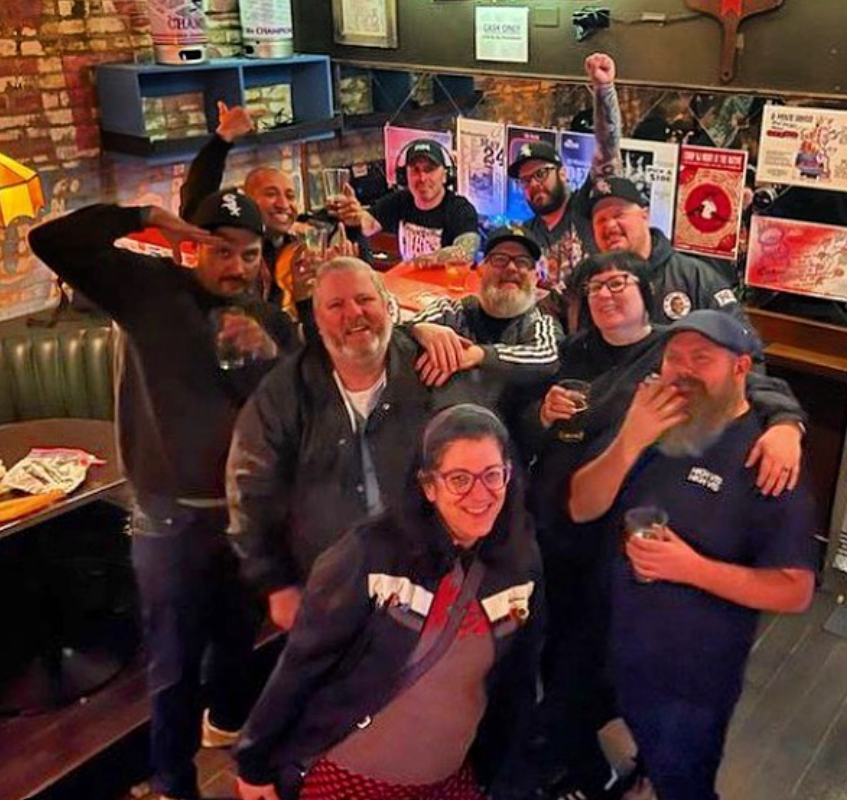
You can keep up with RBBR through Instagram

 The Coldest Zine