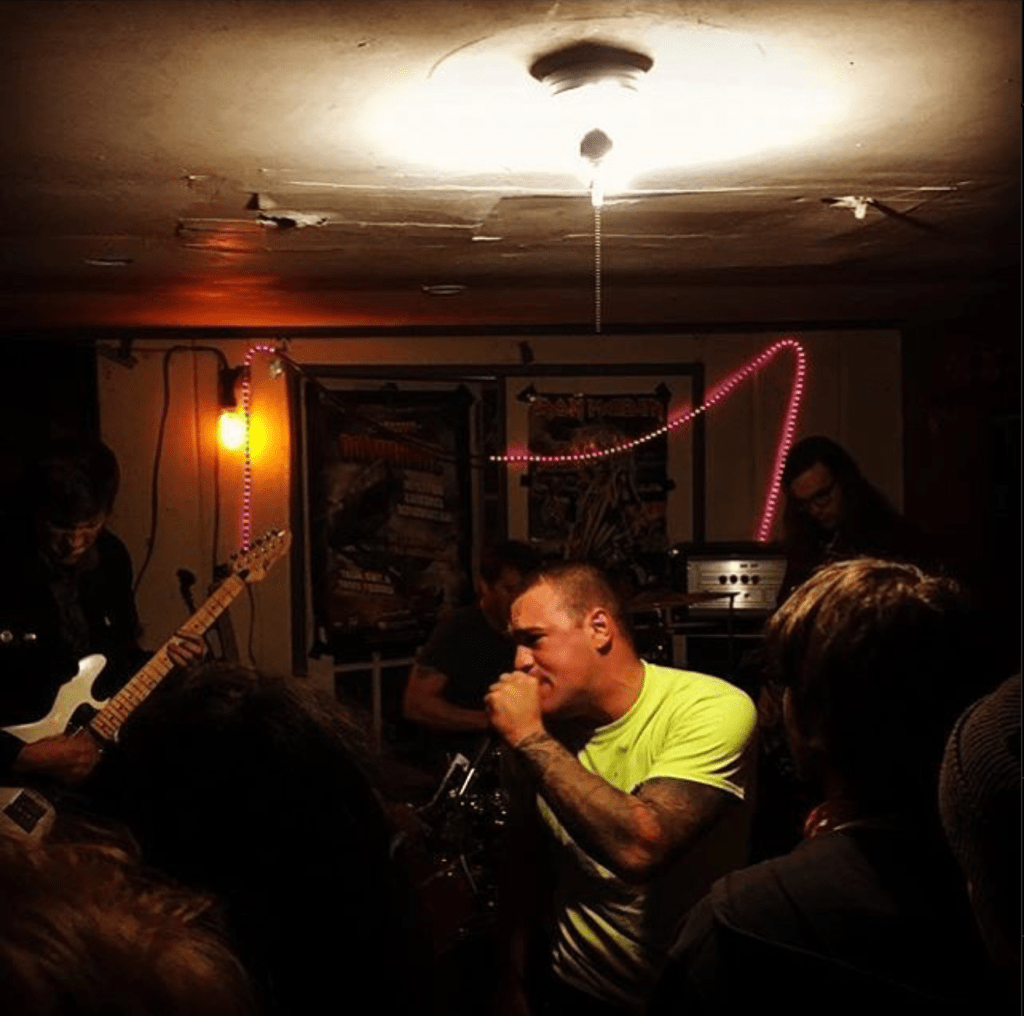
Happy May Day (the real Labor Day). Here’s an interview I did with Cole from Rogue Trooper a few years ago. It originally appeared in Oi! The Black Book Vol. 2.
The working class and oi! music are inseparable. Oi! music would not exist without British working class youth. It might not have made it past the 1980s without working class youth in the United States, France, Italy, Malaysia, Canada and elsewhere picking it up.
Although oi! doesn’t always get too in-depth about class, it often has the most interesting things to say about it because so many of the people involved in creating oi! music have been from working class backgrounds. For example, it’s hard to imagine an anarcho-punk group or post-punk band of the early 1980s making “The Employers Blacklist”. That took a band like The Business.
Massachusetts hardcore band with oi tendencies, Rogue Trooper had something to say with their 2018 record Class Decline, released on Rebellion Records. Covering such issues as deindustrialization, unemployment and gentrification, Class Decline came on the heels of their 2015 demo and 2016’s Boots On the Ground.
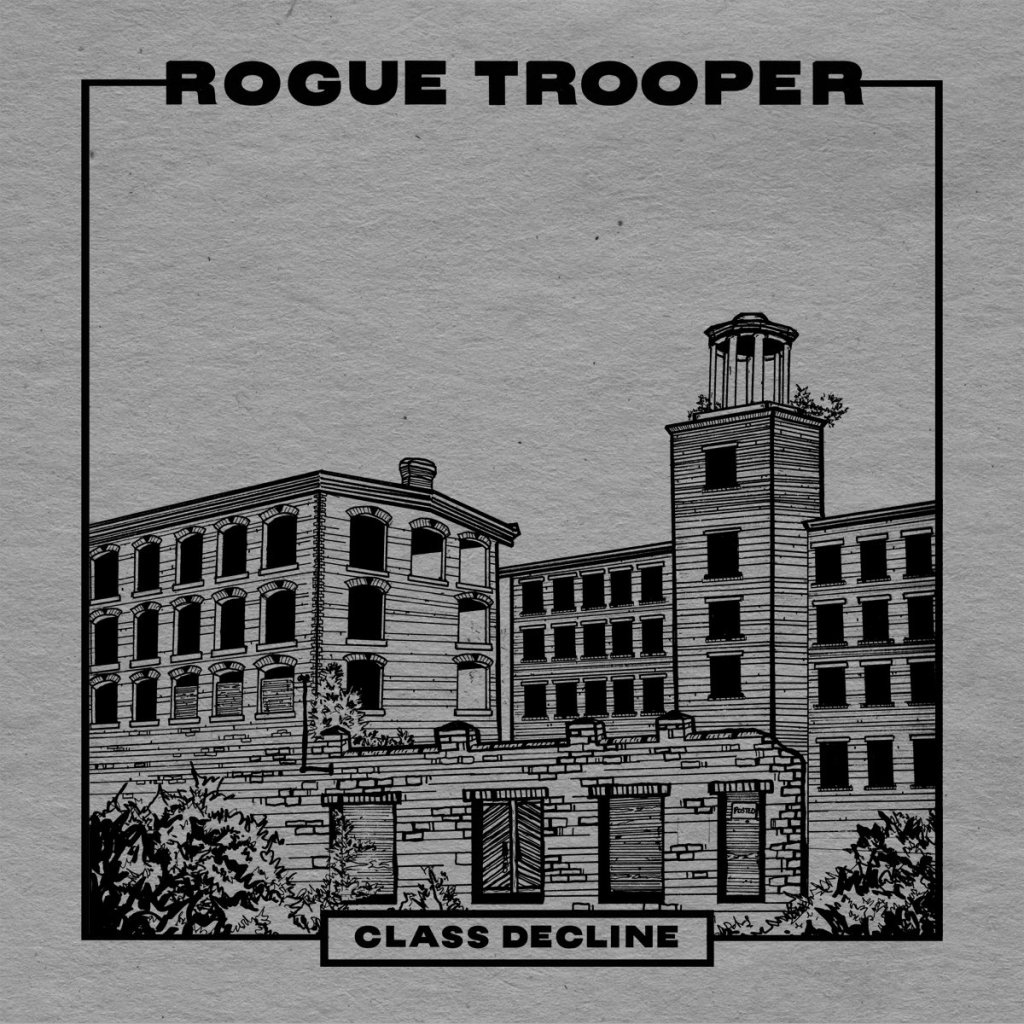
The music itself would be adequate enough to be on repeat for me, but after picking up on the content of the lyrics, it quickly became one of my favorite records of the past 5 years. Lead singer Cole was nice enough to answer some questions about the record in July 2023.
Thanks for agreeing to this interview. Could you talk a bit about how Rogue Trooper formed and what were the original intentions for the band?
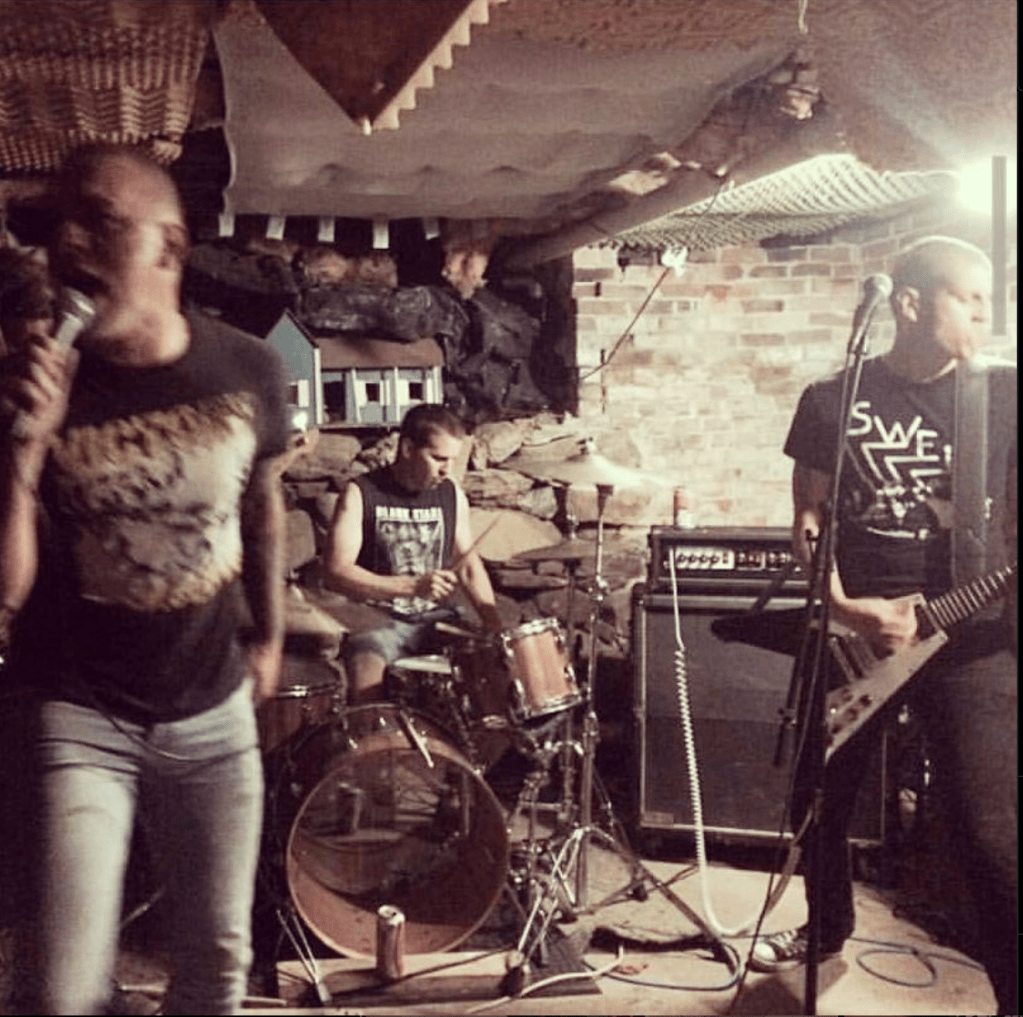
Rogue Trooper formed in 2014 or 2015 when Shane moved out to Western Mass from Boston. We had mutual friends since we both grew up around there and had talked about playing music as a way to get to know each other. We had no real intentions as I can remember. We started playing with Ethan on Bass and Drew came in after the demo so I could sing instead of playing drums.
I’d probably describe Rogue Trooper as a hardcore band with oi tendencies. Could you say more about what groups influenced what the band eventually became?
Definitely. When Shane and I first started talking about the band it was supposed to be a much more straight ahead hardcore punk project, in the vein of Poison Idea or Negative Approach. The Oi sound was something we both liked but had no experience playing. There have obviously been a million bands blending those elements successfully so we weren’t exactly entrepreneurs.
I grew up on the western edge of the Rust Belt so a lot of the lyrics for Class Decline I could relate to. Could you maybe describe the areas you’ve lived in and what they are like that informed this record’s subject manner?
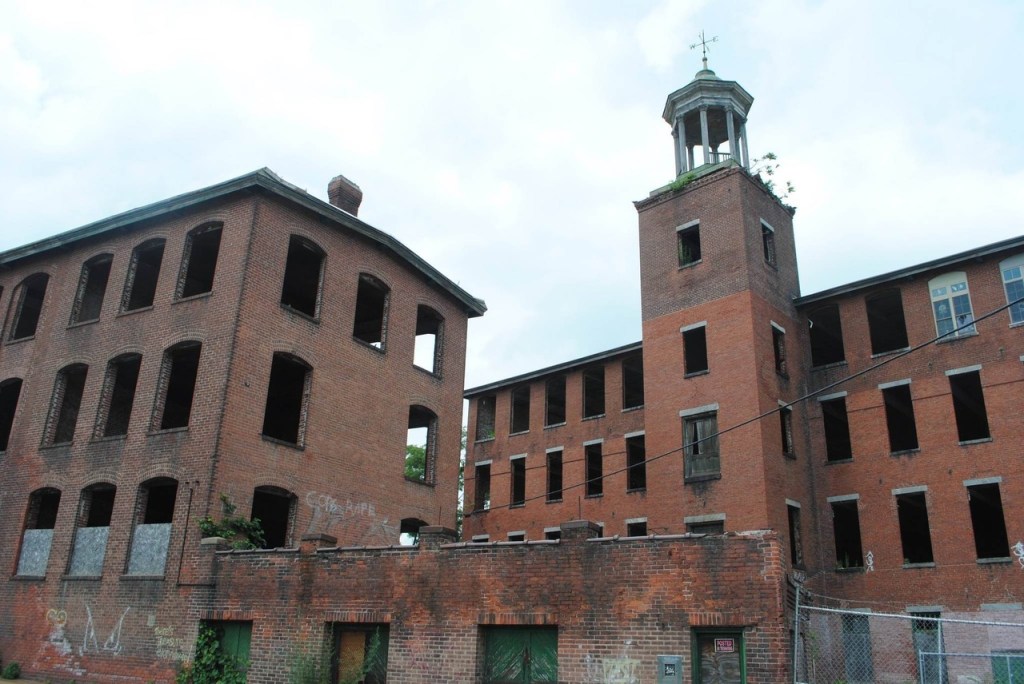
New England’s rust is a little older than the midwest so it’s had more time to try and reinvent itself post mortem, although obviously it depends greatly from town to town. The giant textile mills of the mid 19th century are everywhere here, some have been rehabbed to house new businesses and apartments but many are still vacant. The cover of Class Decline is a mill near my old house in Easthampton, MA. All the mill towns have the same geography with the row houses for workers closest to the factory, and the grandest houses for the owners and managers on the hill furthest from the smells and sounds. It was funny going to England with another of my bands and seeing that same structure in the midlands, although there the worker houses are beautiful red brick with cobble streets instead of vinyl triple deckers and blacktop.
What motivated you to choose the subject matter you did for Class Decline and what kind of feedback have you heard from people who live in the areas that the record is talking about?
The town I work next to – Ware, MA – in is a pretty representative picture of the New England rust belt. I work with mostly older carpenters in their 60s and they have a lot of stories from childhood about seeing the river be a different color every day, because the mills would dump all the extra dye right in the water. Even though the river was unswimmable, that anchor industry kept people working and Ware had a lot going on. All that work went away in the 70/80s and the town hasn’t really recovered, most of the local businesses are gone, there’s lots of heroin and not a ton of good paying work. I think it’s a familiar story to a lot of hometowns.
‘Army of One’ addresses what has sometimes been called the ‘poverty draft’. I was wondering what made you decide to make this song?
The Iraq and Afghanistan wars. I heard they’re doing pretty good now though so it was all worth it.
The track ‘Class Decline’ describes a sort of malaise or confusion a younger working person experiences in a Rust Belt town, where you hear about this better past while being unsure of the future. Where I grew up, it was the packinghouses and farming vehicle manufacturing that was the past. They were all union jobs one could expect to have for life and tens of thousands of people were employed in these industries. What are the industries you’re referring to in the Lyrics?
Like I said in that previous question, in Ware it was textiles, in Holyoke it was paper, in Waterbury CT it was Brass. I guess the song came out of talking to old timers in my life who have extremely rose colored glasses for that economic era. How could they not? The baby boomers were born when the rest of the industrialized world lay in ashes after WWII. It’s so funny in retrospect to think that the American golden age was due to anything other than Europe and East Asia being completely destroyed. We’re so fucking stupid you have to laugh to keep from crying.
‘Where Are the Townies’ addresses gentrification and how it pushes out a town’s former residents and character and replaces it with a sort of blandness that costs more. Can you elaborate on what you’re talking about here?
This song is about Boston but it’s every city, at least on the coasts. I remember this west coast tour I was on and at every show a member of the local band was saying to me that this was their last month in the city they grew up in and they couldn’t afford it anymore. Vancouver, Seattle, Portland, Oakland, LA – all the same conversation with different people in one week. How crazy is that?
The way I interpreted ‘Tough Shit’ is being annoyed about a coworker complaining all the time? Is that correct or am I off about that?
You got it.
Following along with the theme of the previous songs, ‘Structural Steel’ seems to be about finding work in the construction trades in a town that has been deindustrialized? Is that right?
I don’t really remember what I was thinking when I wrote that one. I think I wanted a fun skinhead song about boot boys being back but papered it up with some jobsite analogies. I didn’t mean for RT lyrics to be hyper political but I guess that’s what this record ended up being. I’ve said in another interview that Skinflicks are my favorite oi lyrics because they’re barely about anything.
‘Rebel Without A Job’ seems to be taking a shot at those who claim to speak for the working class but aren’t actually working class? Could you say more about this song?
I’d say more about the liberal arts college phenomena of getting extremely mad at others for not knowing about the thing you found out yesterday; the lack of leniency for others saying the wrong thing even if they’re trying. This was prevalent in our college town punk scene, at least it was a decade ago. We would all do well to heed the Christian virtue of mercy.
To wrap this up, what is the current status of Rogue Trooper and what do you think is the band’s future?
We’ve been on hiatus for a while, a couple members have kids and one has moved away. I’d like to get some more songs out at some point and play a little more. If you like this record you can check out Shane and my other project Highball that just had a tape put out by the Demolisten boys in Ft Wayne. It’s more of a hard nose rock and roll type thing but for the boot crowd for sure.
Lastly, I just wanted to say I really appreciated this record and thanks to you and your band for putting it out.
Thanks for the interest.

Copies of Class Decline are still available from Rebellion Records.
Rogue Trooper’s demo and 2016’s Boots On the Ground are available on Bandcamp.

 The Coldest Zine