A few years ago, around the time The Coldest started, I joined pretty much all sane skinhead related Facebook groups. While many of them pretty inactive or just reposting of old songs, one in particular was different.
Now called ‘Skinhead Threads‘, this group had a lot of interesting posts and thoughtful contributors, comparing the quality of different gear such as boots, shoes and clothes. Discussions and explanations about the construction of Docs or Solovairs and the history of where and how these were produced were not uncommon. Eventually I realized the group was related to a small company that produced modern subculture clothing called Head’s Threads and Heavy Treads (HT&HT) and run by a seemingly positive and good natured guy named Samuel Leiro, who I was able to interview during the Spring of 2024.
So how did you become involved in the skinhead subculture?
There has been a punk scene around here since the 1980s. I got into the punk scene when I was about 14. At that time all the shows were happening at either churches, community centers or park rec halls. We had a SHARP (Skinheads Against Racial Prejudice) crew. Now, you know I sell button down shirts and stuff, but crews around here didn’t wear button down shirts. It was probably Wranglers or Rustlers from Walmart, old beat up Doc Martens, wife beaters and thin black braces.
It was a SHARP crew. I had seen Geraldo but never heard of SHARP. I was thinking, “They’re like those guys but against [racism]?
Before I ever shaved my head, I got a western plaid shirt from Walmart and some suspenders. They were probably about as wide as seat belts, maybe double seat belts. [laughs] But I had some black Converses and I sewed an anti-swastika patch on the sides. I kept hanging around and I guess when I was 15 or 16 I shaved my head, but I didn’t really start hanging around with the crew until I was 17, the Melbourne Boot Boys. I still talk to the local guys and we see each other at shows.
We had a big falling out after that, years back. It was pretty bad. I would get jumped anytime I went to a show. There were some problems that had arisen because of miscommunication, misunderstanding and rumor spreading, which happens. I got put in the hospital two or three times. The thing was, and this wasn’t wise, but I was 20, I was told I wasn’t allowed to go to shows. But if you said I couldn’t go to a show… I was going to go…. But I did end up getting put in the hospital. Along the way I became a Christian but still stuck around, going to shows. Eventually people started showing respect, one by one. It’s happened and I’ve made peace with just about every single person.
We have very different perspectives on a lot of things in life, but they’re my friends and I’ll always love them.
So in the early years of your involvement, you were with Melbourne Boot Boys. What was the regional scene around there like?
So at first when I started going to shows there were punk bands. I was in a band called Load Of Rubbish. I think it was Sid Vicious in an interview said “Food is a load of rubbish”. [laughs] I just thought this was so stupid we had to name the band that. We had about three songs. Our singer never learned the words. We played one show with Disrepute, Green Goblyn Project, and I think Blacblock didn’t show. Scott was the drummer of Disrepute. He’s always been part of the scene and started booking all-ages shows again recently.

So there were punk bands around, a few of them, but it was mostly what they called hardcore. Now, when I say hardcore, I’m not talking hardcore punk, crossover or New York hardcore. This hardcore was metalcore breakdowns, mostly straight edge with lots of makeup. It was very different. But that’s all we had, that was the scene. There wasn’t an oi! scene. There were a few bands here and there but they’d start and then stop. So that was the regional scene.
I didn’t have a car until I was 19. I started hanging out when I was 17. I went to juvie for eight months. When I was about to turn 18. When I got out that’s when I really started hanging out. There was also a crew in Saint Cloud. Those guys are still there and we get together when we can. That was the regional scene as far as I experienced it.
Did your band ever release anything?
We had one show. I wrote the songs, was the bass player, named the band and made the stickers. I guess I had to do that stuff, as far as making the flyers. But I wrote the music and the lyrics and [the singer] just never really bothered to.. I don’t know if he even bothered to read them. [laughs] Anyway we were 15 and at the show he was just like [yells incomprehensibly]
So no, we never put out anything. Our guitarist told me he still has some stickers. Yeah, so I’m gonna see if I can get a hold of those. They would be 22 years old now.
Did people from your scene start any other bands, produce any zines or have any other projects that were sort of creative that you remember?
Not as far as the Melbourne scene. Not that I was privy to. But the one thing that was really cool was that you found out about shows because of flyers and they would just get passed around organically. People in Merritt Island a half hour away would end up with the same flier as people in Sebastian and Melbourne. Usually they weren’t coming from that far, but they got around organically. The scene existed completely on different terms. There was no way to communicate with people within the scene unless you went to the show, had their house phone number or maybe instant messenger.
Was there anybody in particular that commonly made the fliers that you would remember?
No, it was usually just the bands. The main promoter was Little Reggies. The guy who ran Little Reggie’s, if I remember correctly, would make some flyers for the shows himself. I know I made flyers for our one show but I think there’s probably three or four different flyers for that particular one. But as far as somebody outside of the promoter, like one person that we would go to, not that I know of.
When did Head’s Threads and Heavy Treads start and was it something that you had been thinking about doing for a while, or was it more of an impulsive thing that had some staying power?
It actually started out as a Facebook group where I could sell clothes that did not fit anymore. It was originally called Head’s Freds. It was hard to get people to join the group at first. The clothes weren’t selling and it was just kind of a pain. So it kind of turned more into just the regular group. There was another guy who was selling CD’s in there for a while, which I thought was pretty cool.
So it was Head’s Freds. There wasn’t a lot going on. But then I posted this meme on Facebook. It said “If I was doing something different, what would you think I’d be doing?”. My friend knew that I was really into style and had started collecting clothes a few years before once I could afford it. So, he said ‘fashion designer’. I think he might have been messing around at first, but I said, “Okay. Let me try this”.
I had heard about Solovair doing custom orders. They used to do custom orders. You just needed to buy 12. So I emailed them and they said no. So I said, “What if I paid you more than you normally asked?” They never charged me more or intended to, but it piqued their interest. They said “What do you want to do?” I explained what I wanted to do and they came up with all these real requirements such as invoices and wanting tax numbers and stuff. I said well, I can’t name a clothing brand Head’s Freds [laughs]. So I had to change that around. I was thinking Head’s Threads, but there’s already a store and a few other places called that. I wanted it to be unique without changing it too much. I can promise you there’s no other Head’s Threads and Heavy Treads in the world.
Anyway, Solovair agreed to do a collaboration. That is a very interesting story, but eventually two boots were released. One of them actually made it to market. The other two dozen were destroyed in shipment.
It was my impression that the Solovair collab came later. So that was one of the first things that you did?
I did start selling more clothing from my personal collection at that time, but that was the first thing as far as designing something. I said, “Let me see if I can get them to make a boot style that they haven’t made in a while”. I knew what leather I wanted, but designing the boot took more work.
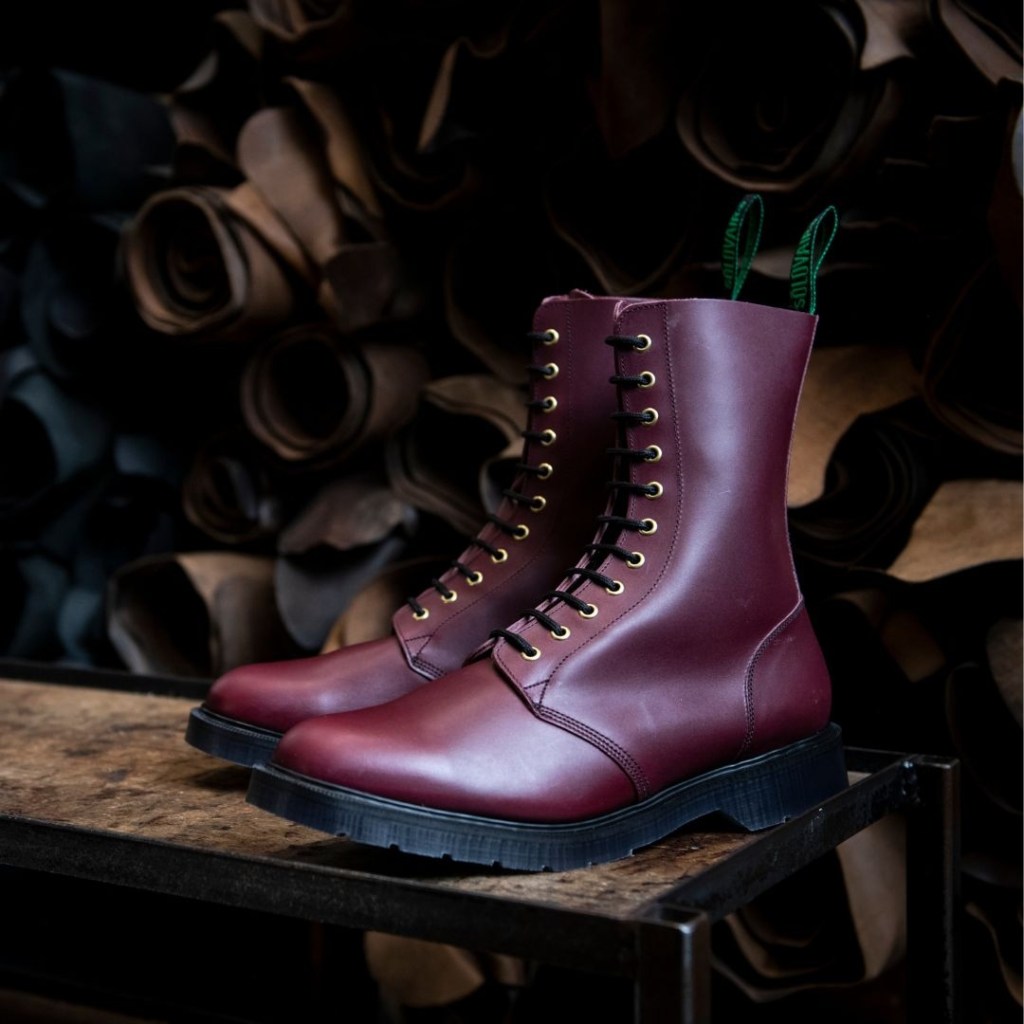
The boot we ended up making was the Astronaut model, ours with a stitchless welt like the originals. Burgundy, waxy natural full grain leather with brass eyelets. Man, it’s an excellent boot. They did a great job on it.
There were some problems with quality control. But as far as the boot itself, I love it. I love the company as far as what they make. I love the way they’ve been around for 140 years or whatever. I’m grateful that they gave me the opportunity to work with them. But I ultimately ended up being kind of disappointed with the experience.
What was the reception that you got with that collab?That’s the first time I came across you. It was the Solovair collaboration and I think that’s probably why I joined your Facebook group.
The people who got the good pairs love them. Absolutely love them and wear them constantly. The people that got the pairs that were repaired also love them… but they had to get them repaired. That really disappointed me.
I wouldn’t have my business if it wasn’t for Solovair. Like, what you said, you joined [the Facebook group] because of that. I’m not going to deny that. But that doesn’t make it OK to sell products that you wouldn’t wear yourself just because you have them and you’re just hoping that [the customer] will keep them and not ask for a replacement.
I’d rather take a hit than sell something that’s poorly made. I’m probably even more passionate about that now.
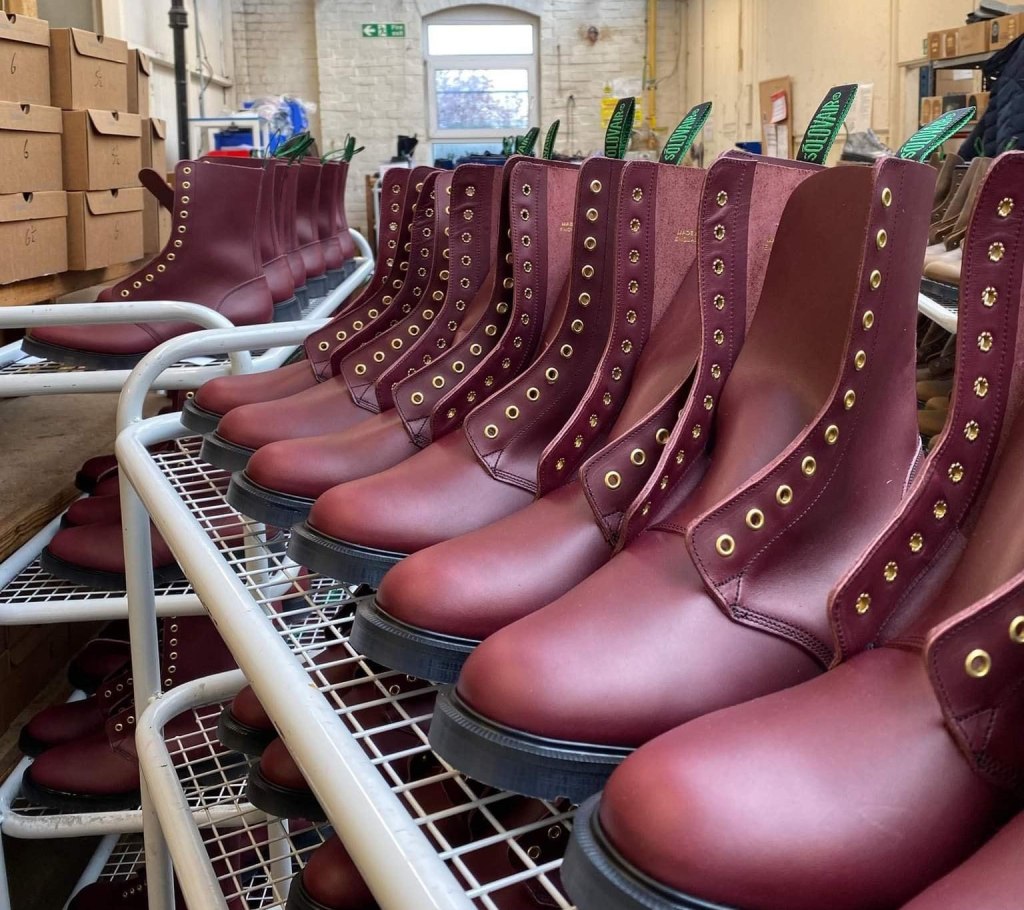
Consistently across samples and total orders 17% had defects, mostly soles splitting from the boot. I was promised at the very beginning that only happened to 1% of them. That was not accurate, and I care about something like that, for good reason. I’ve been buying their shoes for a long time and there have been some other times where there were some problems, but I didn’t expect it like this.
That being said… if you place an order with them and there’s a problem with the boot when you receive it, if you contact them, they will pay for it to be shipped back to them and they’ll replace it immediately. Their customer service is absolutely impeccable and incomparable. But those returns shouldn’t be necessary.
What’s crazy is that people did find out about the boots all over the place. I was in North Carolina visiting some family. We were in a restaurant and this guy came up to me with his friend and says, “Hey, I was just talking with my friend. Those are Solovair, right?” His friend was arguing that they were Docs.
I said, “Yeah, I’m surprised you’re asking… it was actually a collaboration…” He replied “Yeah, the Head’s Treads thing.” That was surprising.
After moving on from selling used clothes and starting to sell new products, what were your original goals for that and how have they changed?
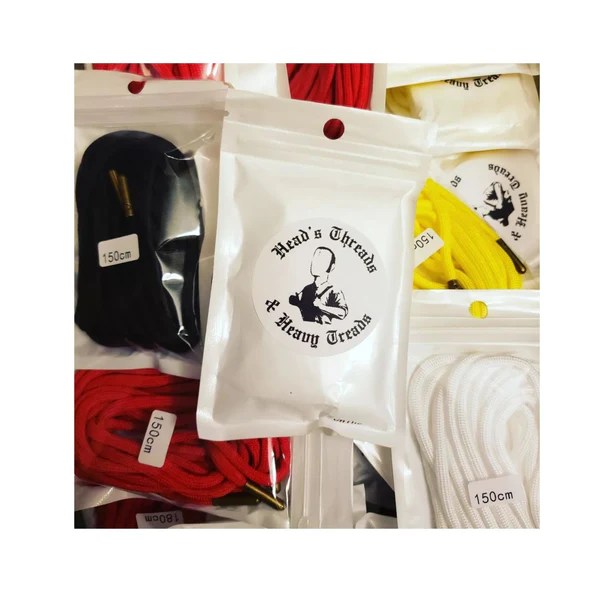
Before the boots were released, I made a website and started making print on demand t-shirts. I have been making paracord boot laces for probably eight years by hand. I’ve been practicing and got really really good at it. With the laces, I was making them per order, on demand. Then I started getting some help making them. They’re great, they’ve been one of the best selling products I’ve made. The laces that come with new boots snap. Those are made with natural fibers. They snag really easily and then they pop. These laces are real game changers.
As far as the shirts, I don’t know, I just got an idea one day and it was kind of impulsive. I met a guy who got me set up with a tailor shop. At first I had a lot of trouble communicating the design as far as getting them to really understand what I was going for. I tried to make a tech pack, which is a design drawing for the shirt itself, but I was brand new at this and never went to school for clothing design or anything, so I got some samples and some shirts I liked from different older brands and had them tweak some things here and there.
The fabric that I’ve used since the very beginning has been 65/35 Cotton/Polyester. If you look at some of the best Ben Sherman, like I have a Ben Sherman from the early 90s, it has 60/40 fabric and I’m telling you.. you could not wrinkle this stuff if you tried starch. The fabric is so high quality, but I turned up the cotton a little bit, 65/35, so they’re a little bit softer. It’s just like the original feel and still not super prone to wrinkling. I love the feel of a 100% cotton shirt like an Oxford for sure. They’re great. Some of my favorite shirts have been made by Jeggae Garment from Malaysia. They have some really good 100% cotton shirts, but as cotton tends to do, they wrinkle so much. I iron my shirts a lot, but I don’t want to have to, you know? Some of the shirts we’ve made are a little bit more prone to wrinkling because of the specific style of fabric, but I love that once you wash and hang dry, they usually are ready to wear.
You’ve described some of this already but could you say more about the actual process that happens between thinking about a specific item like your button down shirts and it actually being made?
Yeah, yeah, yeah. So I have the shirts in mind. There’s always certain colors, there’s patterns that I have in mind that I definitely know I want to do. But a lot of times it’s kind of freestyling. When we were coming up with the first designs, like the prototypes, some of the samples that my guy made for me were made very well, but it wasn’t what I wanted. Again, I guess I hadn’t communicated the design as well as I could have. But the way the process works, and it’s the same thing whether you’re working with a tailor, clothing manufacturer, a shoemaker or boot maker. If you’re having somebody make something for you, it all works based on samples. They send you a sample. You say “I like this”, “I don’t like this” or “This is just not gonna work out”. But each time this happens, it gets closer to the vision.
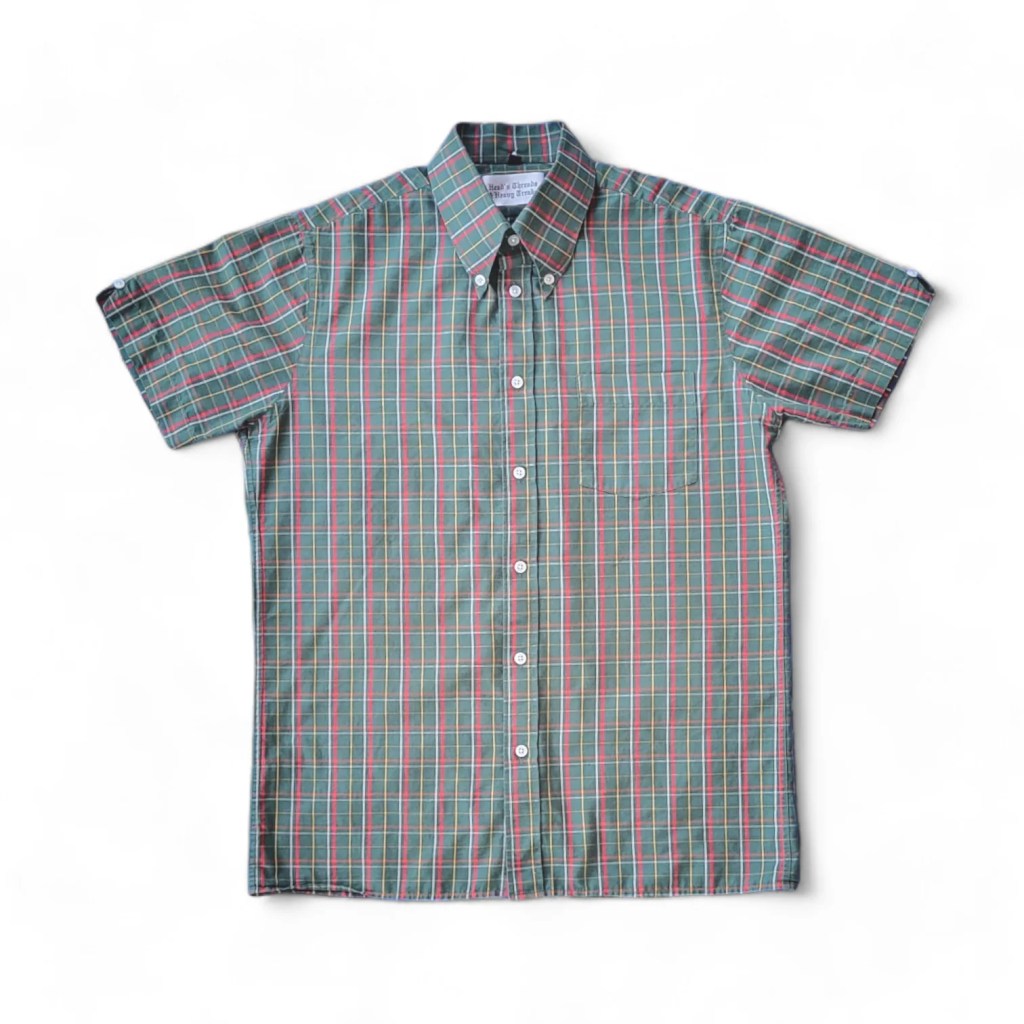
You try different fabrics. The first four shirts I made were kind of shaped differently. The fabrics were a little bit different…. The collars were spread way too wide. But when I released them, a lot of people liked them. But I realized that it wasn’t what I was looking for. So I got my guy the shirts that I basically said “Take this, this and this.” But it’s a kind of a back and forth. “I like this. I don’t like this.” It’s exciting, you know. Right now, I’m actually working on Sta Prest, which I’ve always been kind of overwhelmed by because there’s so much that goes into it.
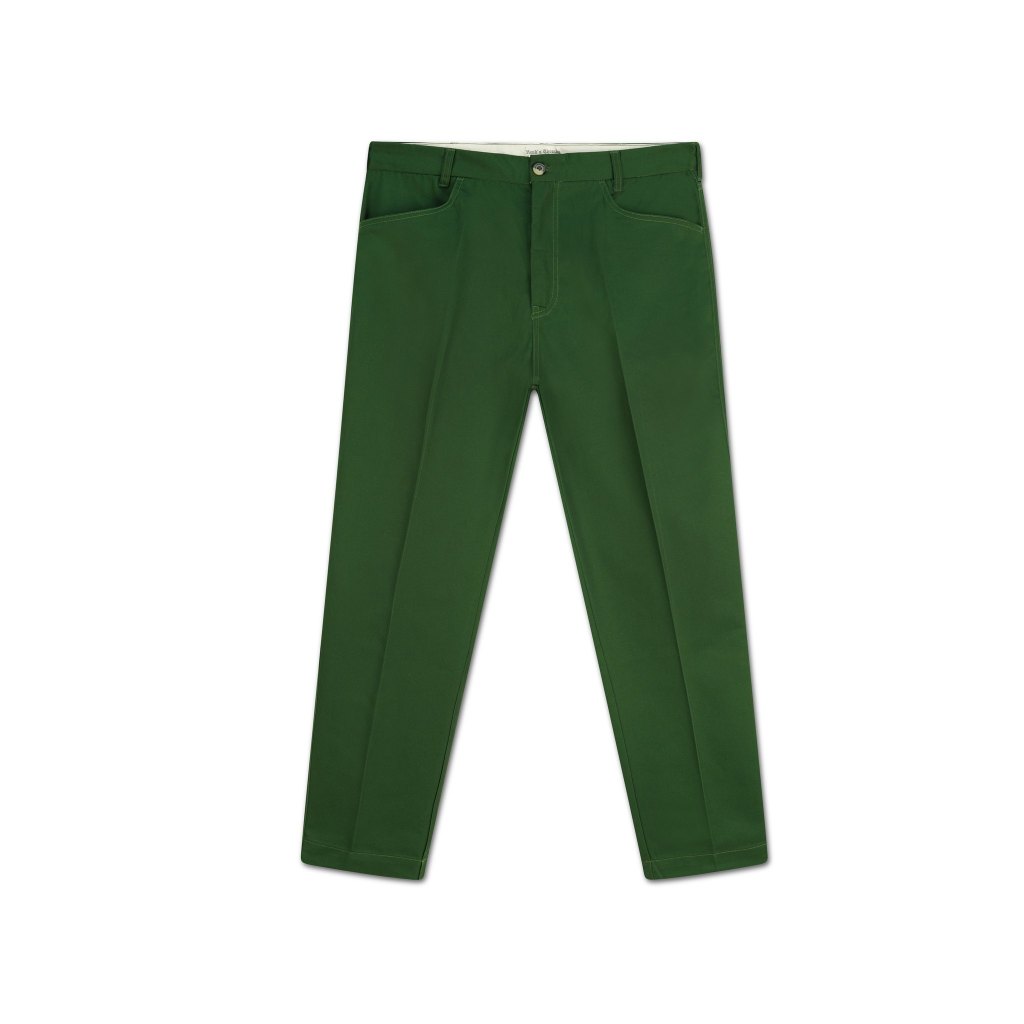
But we’ve made it this far, why not go for it? You can find all kinds of information with old Levis. A few years ago, they made some pretty good stuff, but they don’t consistently make anything, and in more recent years some of the Sta Prest they’ve made had a low rise. I start with my own clothes that I like. You can also get a lot of designs, pictures, measurements, and sizing charts from online and build something based on that. But then when you get the sample and check the feel you have to figure out the things that need to be fixed.
The fabric needs to be changed just a little bit. I like it, but it’s probably gonna be a little bit thicker. The way that we’re gonna press the seam is completely different. We just did a regular steam press on the prototype. The way that the seam is actually going to be kept, and stay pressed, it’s gonna be really cool. You’re gonna be able to cut an onion with these things. [laughs]
So it sounds like with some of this stuff, you have an idea of what you want that’s based on things that used to be made and aren’t really anymore. Then you make your own adjustments based on your preferences. Is that accurate?
It’s not just specifically because it’s not made anymore. It’s because it’s a traditional style, and mostly because I like it. Like the four fingered collar, sometimes people want a three-finger collar like Bennies. [My shirts are] more like the old Ivy League style, it’s even bigger. The collar roll is crucial. It’s a four finger collar and there’s the locker loop, there’s a full back plate, there’s the little buttons [on the arm] and the button on the back. Just these little details…they’re crucial for it to be a skinhead button down.
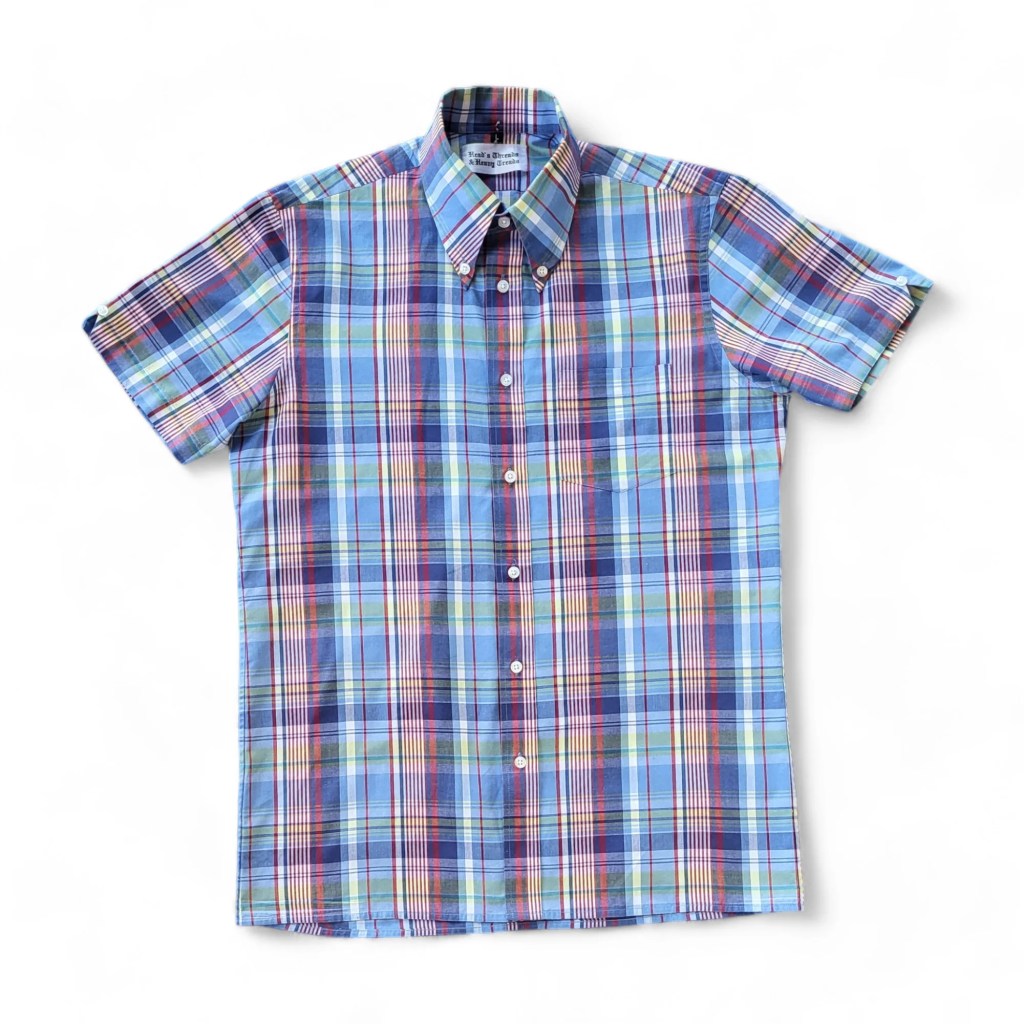
I mean, when I go to Goodwill, I just flip through [the button downs], just looking at the collars for the button on the back. So I have the style that I like and yeah, it is based on old traditional styles like John Wood, Brooks Brothers and Ben Sherman.
It just started with selling used clothes, then it was, “I wonder if I can make something with Solovair”. Again, the experience was discouraging in a sense, but I said “Let’s see what else I can do.” So I really focused on the laces and that did really well. When I started doing the shirts it was slow, but the more people buy, they see how much they like them. They’re posting pictures on social media wearing them to different shows and parties… Then, once people buy them, they develop brand loyalty. I got one guy who has bought literally every single thing I have ever made except for a few print on demand t-shirt designs. But I mean every color lace he’s bought, every button-down…. He loves the stuff. That’s why I keep doing it. There have been times where I just wanted to stop because it’s just kind of a pain sometimes, if I’m not really making money, or losing it. It’s fun, but I have other stuff I could be doing. But when I start to be able to actually generate a profit by providing things to people, sharing things I love with people that appreciate it too… that’s it. That’s why I’m doing this particular business.
Another thing that I really want to stress… The most important thing to me is that I’m selling something quality. I had another manufacturer make me track jackets. The sample was fine. When they sent me the track jackets that I spent $3,000 on, they were four inches longer than the sample. I donated half of them and I threw the other half away… I should have donated them [all], but they were really, really bad… The bottom of the track jacket went five inches past the end of the sleeves. So I took a major loss. Three grand and I did not sell one of those. Since I’ve found out some great places that will recycle clothing fabric, and I will use that before I ever throw anything away again or ever sell trash.
I would rather take a hit then sell something that I don’t like. As a follower of Christ, it’s important for me to treat others the way I want to be treated. I don’t personally want to buy something and have it end up being a piece of crap. When I’m able to provide something that’s quality, when I’m able to treat people well, I like to do it. But it’s important that I treat people well because I need to represent the one who I am serving. You buy something from me, you might even get a Bible. [laughs]. Maybe not a full Bible, but I like to share these [holds up small pamphlet]. You can read it, you can not read it, you can throw it away, whatever you want. It’s up to you, but I like to share that with people because it’s also something I love. That’s it, I’m sharing what I love with people.
Could you tell me what you held up? Your background on the videocall interfered with it.
I’m sorry. It is a copy of the Gospel of John. It’s the fourth book in the New Testament. It’s one of the most explicit books in the Bible about what we believe about Christ.
I’ve always liked to share stuff that I love with people. My tattoo artist passed away a few years ago, but I’d carry around his business cards. When my tattoos were a lot brighter people would say “Wow, who did your tattoos?!” and I’d say “Here he is. You can call him”. With Jesus, it’s, “Here’s my Lord. You can call Him.”
What about the shirts? What kind of feedback have you got about those? From the outside looking in, they seem to be progressively becoming more popular.
It’s been like that. The first several designs weren’t the best, but people just hadn’t heard about [Head’s Threads]. People want to buy stuff that they’re familiar with and that they’ve heard of before. If their friend has it and their friend says it’s good, they’re like three times more likely to buy it. A lot of people liked the first shirts and I did get a lot of sales that way. But then I started getting access to some better fabric and improved the overall shape to the shirt. I had sent out some shirts to some friends of mine, who told their friends. But when it comes down to it, people just really like them. I’m getting more and more people who are buying each shirt that’s released. It’s really cool.
So besides the Sta-Prest, are there any other new products in the pipeline coming soon that you want to mention?
There’s shirts that are about to be released. There are three short sleeve button downs that are done. I’m not going to release them all at the same time, but they are scheduled. Three checks again, but they’re different checks. They’re similar as far as the overall shape, but the colors are really, really cool. I’ve got a lot of good feedback. I shared a picture of one of them to the [Facebook] group. Then, for the long sleeves, these are the first long sleeves we’ve done. [One is] going to be a solid yellow. [Another has] a stripe that is white with kind of thin burgundy stripes on it. The other one, I don’t know if it’s technically considered a gingham, but it’s a bunch of really small squares
One of the reasons why the shirts have been selling faster is because they are limited-edition and they are individually numbered, or at least the past few have been. But all the shirts that you see on the website right now are limited to 50 shirts, except for the newest newest shirts that we’re doing, the three short sleeves and the three long sleeves, are going to be 33 pieces for each colorway. People like that a lot because you don’t want to go to a party and see somebody else wearing the same shirt as you. I see the value in that.
When we do the Sta Prest we’re also planning to do, at least initially, 33 pieces for each colorway for the main ones. Besides Sta Prest, I don’t have anything in the pipeline but I would like to do a Harrington jacket.
Okay, I have one more question. I know you have a family and then you have this side project that I’m assuming takes a lot of work. What advice would you have for someone who’s also thinking of maybe doing something similar?
It’s going to take time. It’s going to. The time could be in preparation and training. If you have a lot of experience already doing something, then you might be able to get going quick because you already have the experience. But there’s lots of failures. I’ve had a lot of losses. I wanted to cut my losses and just say all right, I’m not gonna lose any more money. But those losses have ultimately paid off. This is mainly a labor of love for me, but I’m able to love it more when it’s working out. It’s getting to the point where it’s really getting fun.
I wouldn’t be able to get to this place if I hadn’t failed a bunch of times, been disappointed, frustrated and wanted to quit. But, I’d say that and…treat people well. If you want to start something and do something like this just to make money…don’t. You got to treat people well.
I always recommend prayer. Trust God. Not everyone’s a Christian but it’s important to me that I do share the truth that Jesus isn’t an option. There’s no one else to choose. [pauses] I was a junkie for six years. I’ve lived through some hell. I have epilepsy. I don’t go two or three weeks without having something major happen. But I’ll tell you, I have joy. I have joy in my life every single day I wake up. Not only do I have joy now, but that joy is everlasting.
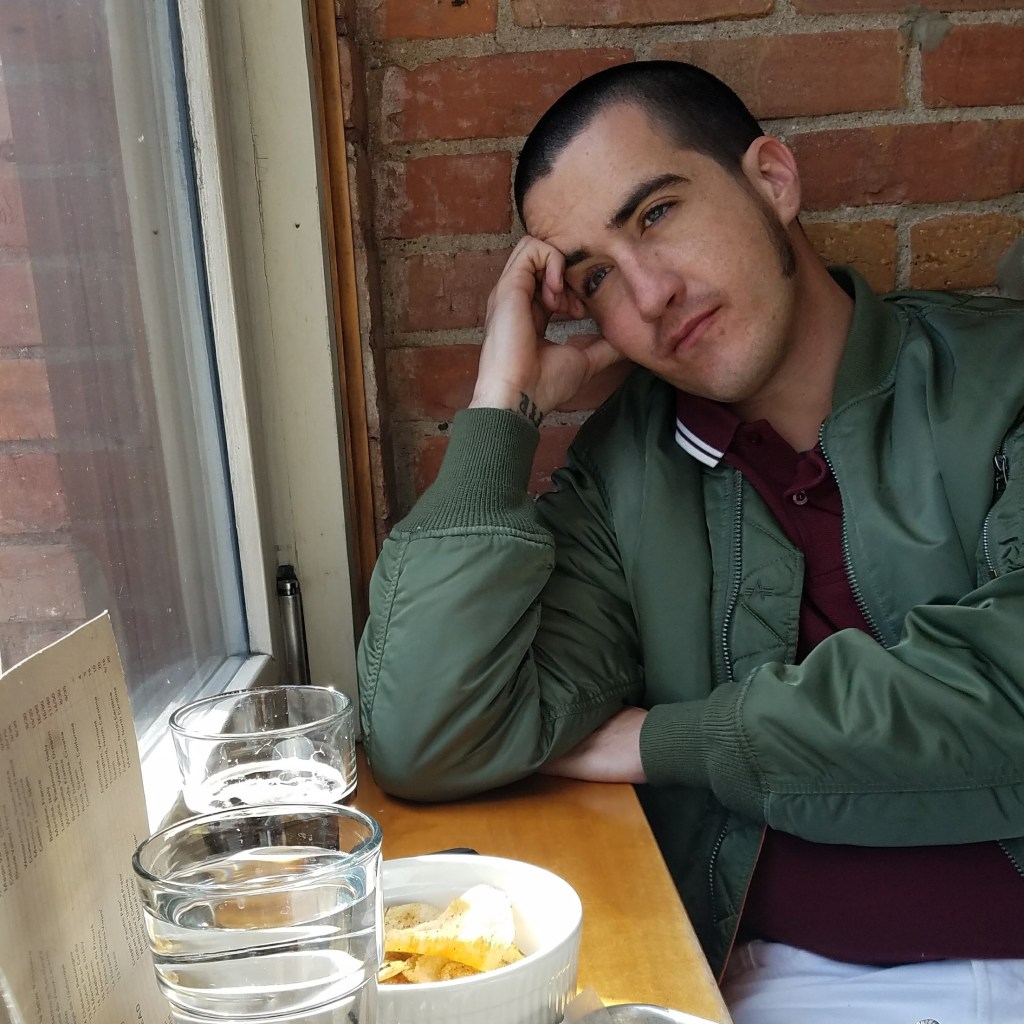
You can purchase from HT&HT by visiting their website. They are also on Facebook and Instagram. Samuel also maintains a Facebook group called ‘Skinhead Threads‘


 The Coldest Zine